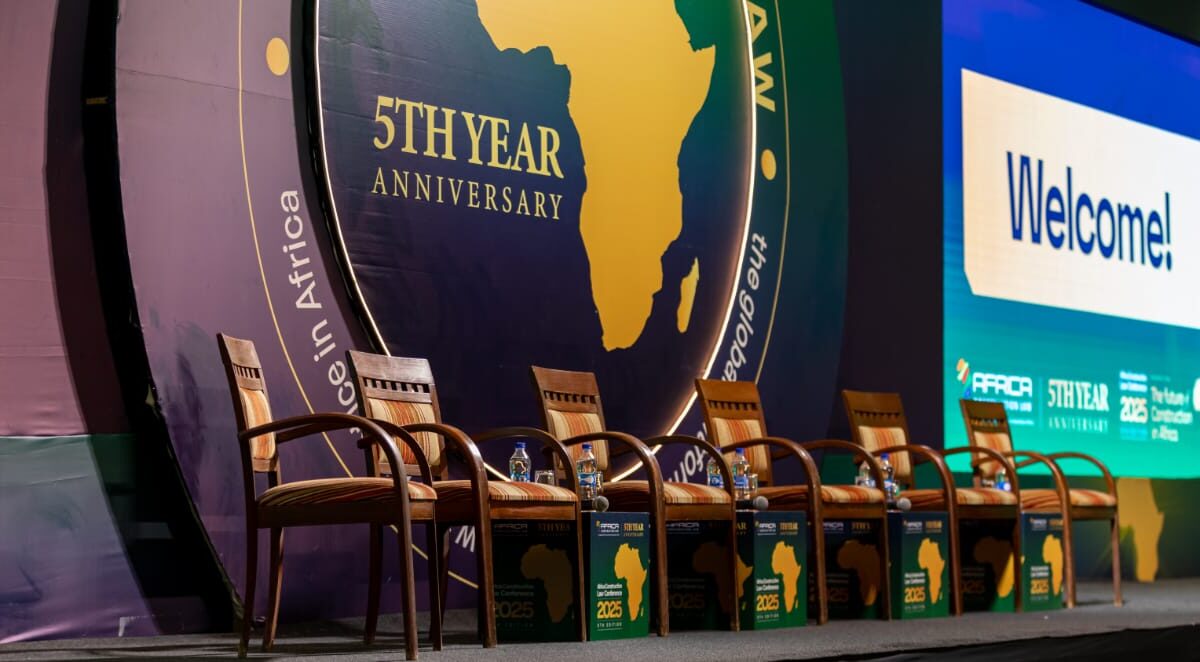
Event planning is one of the most stressful yet rewarding jobs in the world. It involves long hours of work, managing various suppliers, coordinating with the design team, handling printing and branding, attending planning meetings, and meeting tight deadlines. The list of tasks is never-ending.
Becoming an event planner requires consideration of various factors, and possessing a diverse set of skills is essential for success in this rewarding yet sometimes chaotic job. If you’re considering a career in event planning, there are some key skills you’ll need to thrive in this field. Keep in mind that even with these skills, challenges may still arise. For instance, you could be the most organized person in the world and still face last-minute disappointments, such as a supplier backing out unexpectedly.
These are some of the essential skills for event planning:
1. Organizational Skills
A successful event planner must have strong organizational skills. This means following a systematic process from the initial stages right through to the final day of the event. Good organizational skills ensure that no steps are missed, particularly when managing the various moving parts involved in planning an event. A well-organized event planner adheres to timelines, manages budgets effectively, keeps the team informed and engaged, and maintains essential documents in an orderly manner, among other tasks.
Imagine planning a three-day destination event for over 500 expected delegates; chaos can easily occur if your organizational skills are lacking. Focus on honing these skills to make your work more manageable and efficient.
2. Communication Skills
An essential quality of an event planner is the ability to interact and build a healthy rapport with all members of the team involved. This is achieved through strong communication skills, which help foster relationships with donors, brand sponsors, vendors, and fellow team members. Effective communication ensures that everyone involved in the event clearly understands their roles. Guests will know when and where to register, and how to make any necessary payments. Vendors will be aware of what supplies are required and the corresponding deadlines, while graphic designers will stay focused on creating the event’s concept theme, keeping in mind the stipulated deadlines.
Good writing skills also come in handy and help you convey information with clarity and respect.
3. Budgeting & Negotiation Skills
The ability to negotiate for good rates from suppliers, donors, and venues is one of the most crucial skill sets required to make a good event planner. The goal is to secure the best possible deal without overspending, while still delivering high-quality work.
After securing a good deal with your suppliers, you get down to budgeting, yet another essential skill. A well-developed budget for any event, whether big or small, provides a sense of direction throughout the event planning process. It also helps minimize any risks that may occur, improve resource allocation to vendors, and track all the expenses of the event.

4. Multitasking
I’ll hold your hand while I say this: multitasking is not an optional skill in the event planning industry. You have to manage various tasks simultaneously to ensure everything runs smoothly, especially as the event approaches. While coordinating with the design team to confirm the dimensions, you may also need to contact your decor supplier to remind them about the setup time, call the hotel to verify the setup schedule, review the budget to ensure nothing is overlooked, check the registration list and prepare the name tags, and oversee printing and branding. The list goes on and on.
While delegating tasks to others is important, an event planner should still have this essential skill.
5. Creativity
Bringing an event vision to life hinges on the planner’s creativity. Event planning goes beyond merely creating a checklist and checking off items. It involves considering the bigger picture, including the event’s ultimate goal, the experience you want your guests to have, and how your brand will be represented. Creativity infuses authenticity and passion into each event, ensuring a memorable experience for everyone involved.
Although many corporate events may not allow for overwhelming creativity, there are still opportunities to add a creative touch. You can choose an engaging theme, select a unique venue, incorporate interactive games for guests, and design distinctive decor that aligns with your brand and event goals.
6. Networking Savvy
The events industry is people-driven and relies significantly on the relationships that an event planner develops over time. A successful event planner is well-acquainted with top audio-visual suppliers, master of ceremonies (MCs), hotels that cater to various client needs, as well as the best DJs, photographers, decorators, and print and branding shops.
Networking skills are developed over time, and the longer you are in the industry, the better your understanding of the essential contacts to maintain. Interacting with other event planners also allows you to identify newcomers in the field and assess the quality of services they provide. Collaborating with the right people is crucial to the success of any event.
Final Thoughts
Developing the skills necessary to succeed in the events industry takes time and experience. The more you engage with the field, the more proficient you will become. If you haven’t yet mastered event planning, don’t be concerned—many of these skills are gained through a willingness to learn and improve with each event you manage over time. After all, even Rome wasn’t built in a day!